IGI Certified Lab-Grown Diamonds: What Does IGI Certification Mean?
Buying a Lab-Grown diamond is about more than choosing a carat weight. An independent diamond grading report can help you understand exactly what you are purchasing. Here is what Australian jewellery buyers should know about IGI certification.
IGI certification refers to an independent grading report issued by the International Gemological Institute. For a Lab-Grown diamond, the report can identify its laboratory-grown origin and document characteristics such as carat weight, colour, clarity, measurements, polish and symmetry.
What Is an IGI Certified Diamond?
An IGI diamond grading report provides an independent assessment of important characteristics of an individual diamond.
Rather than relying only on a retailer's description, buyers can use the grading report to understand the specifications assigned to the diamond by a gemological laboratory.
This is particularly useful when purchasing a significant centre diamond for an engagement ring or another high-value piece of jewellery.
What Is IGI?
IGI stands for the International Gemological Institute.
IGI provides gemological assessment and grading services for diamonds and other jewellery-related materials, including Lab-Grown diamonds.
For shoppers, the main value of an independent report is transparency: it provides documented characteristics that can be considered alongside the diamond's photographs, videos, measurements and finished setting.
What Information Can an IGI Report Show?
The exact information can vary according to the report type and diamond, but a diamond grading report may contain important identification and grading information.
Understanding the 4Cs on a Diamond Report
Diamond weight
Carat measures a diamond's weight. It should be considered alongside its physical dimensions rather than treated as a measurement of visible size alone.
Colour grade
The colour grade describes the degree of noticeable body colour. Pear Jewels offers high-quality options including D, E and F colour diamonds.
Characteristics
Clarity evaluates internal and external characteristics. VS and VVS clarity grades are popular options for fine Lab-Grown diamond jewellery.
Proportions & finish
Cut-related information helps buyers consider how a diamond's proportions and craftsmanship may influence its visual performance.
Why Carat Weight Alone Is Not Enough
It is easy to assume that two diamonds with the same carat weight will look the same size. That is not necessarily the case.
Carat measures weight, while the dimensions show how that weight is distributed throughout the stone.
Diamond A
A shallower or differently proportioned diamond may present a broader face-up appearance.
Diamond B
A deeper diamond may carry more of its weight below the visible surface and therefore present differently when viewed from above.
What Does Diamond Colour Mean?
Diamond colour grading helps describe the degree of colour present in a stone.
For customers seeking a bright, white appearance, high colour grades such as D, E and F are commonly considered.
Colourless range
D represents the top end of the traditional D-to-Z colour grading scale.
Colourless range
E is also within the colourless range and can provide a very white appearance.
Colourless range
F remains within the colourless range and is a popular specification for premium diamond jewellery.
What Does Diamond Clarity Mean?
Clarity grading considers internal features, known as inclusions, and external features, known as blemishes.
| Clarity | General meaning | Buying consideration |
|---|---|---|
| VVS1 / VVS2 | Very, very slightly included | Very high clarity with characteristics that are difficult to observe under standard grading magnification. |
| VS1 / VS2 | Very slightly included | Often provides an attractive balance between high clarity and overall value. |
| SI1 / SI2 | Slightly included | Visibility and position of characteristics should be assessed carefully for the individual stone. |
What Do Polish and Symmetry Mean?
Facet finish
Polish refers to the quality of the diamond's finished surfaces after cutting and polishing.
Facet alignment
Symmetry evaluates how accurately the facets and structural features of the diamond align with one another.
These characteristics form part of the broader picture when comparing diamonds with otherwise similar specifications.
Why Measurements Matter for Fancy-Shaped Diamonds
For Oval, Pear, Marquise, Radiant, Emerald and other fancy-shaped diamonds, physical measurements and proportions are especially useful.
| Diamond Shape | What to review | Why it matters |
|---|---|---|
| Oval | Length, width, ratio and symmetry | Influences how elongated or rounded the diamond appears. |
| Pear | Length-to-width ratio, shoulders and point | Helps determine balance and overall silhouette. |
| Marquise | Length, width and symmetry | Affects elongation and visual finger coverage. |
| Radiant | Length-to-width ratio and facet appearance | Helps determine whether the diamond appears square or elongated. |
| Emerald | Proportions, clarity and transparency | Large step-cut facets can make internal characteristics easier to notice. |
How Does IGI Identify a Lab-Grown Diamond?
A Lab-Grown diamond grading report can identify the diamond's laboratory-grown origin.
This distinction is important because Lab-Grown and naturally formed diamonds have different origins even though both are diamond material.
Laboratory origin
Created using specialised technology under controlled conditions.
Geological origin
Formed naturally within the Earth through geological processes.
For a more detailed explanation, read our Complete Guide to Lab-Grown Diamonds in Australia.
How to Check an IGI Certified Diamond
Ask for the report details
For an individually certified centre diamond, confirm the grading information associated with the stone being offered.
Match the specifications
Compare the report's carat weight, measurements, colour and clarity with the diamond described in your order.
Review the dimensions
Do not rely only on the carat number. Look at the physical measurements and proportions of the stone.
Check the diamond visually
Where available, photographs or videos can help you consider shape, proportions and overall appearance alongside the grading information.
Keep your documentation
Retain your diamond grading documentation together with your jewellery purchase records.
Diamond Certificate vs Jewellery Valuation
These documents serve different purposes and should not be treated as interchangeable.
| Document | Main purpose | What it tells you |
|---|---|---|
| Diamond grading report | Diamond identification and grading | Characteristics such as weight, measurements, colour and clarity. |
| Jewellery valuation | Value-related assessment | An assessed value for a completed jewellery piece, depending on the valuation's purpose and methodology. |
| Sales receipt | Purchase record | What you purchased and the amount paid. |
| Warranty | Product/service coverage | The jeweller's specific coverage, conditions and exclusions. |
What Should You Check Before Buying an IGI Certified Diamond?
IGI Certified Lab-Grown Diamond Jewellery
At Pear Jewels Australia, independent diamond certification forms an important part of helping customers understand the jewellery they are purchasing.
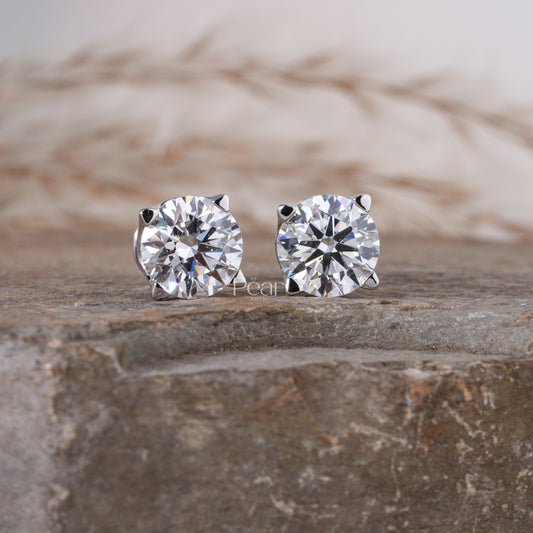
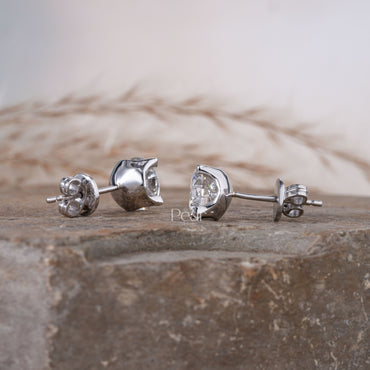
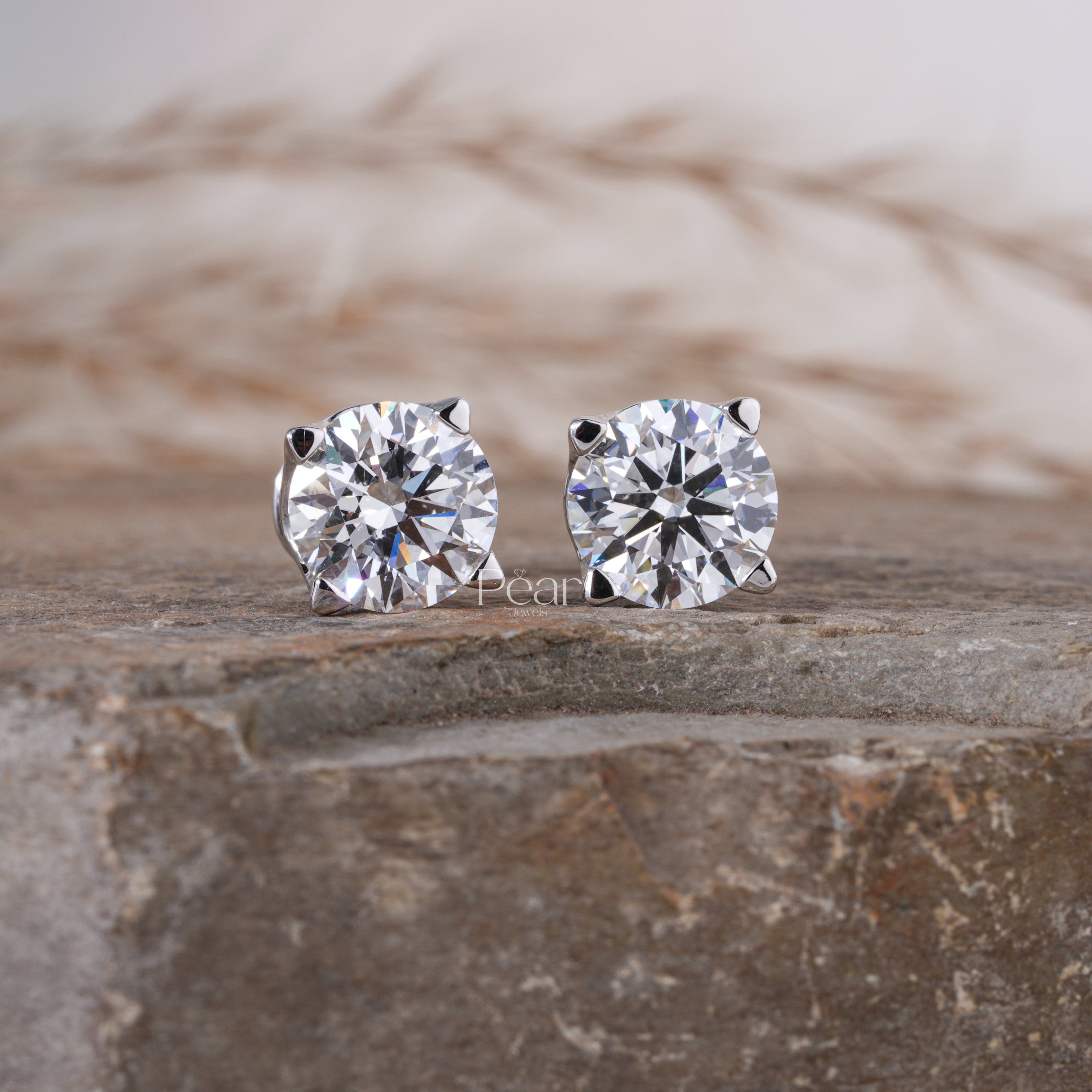
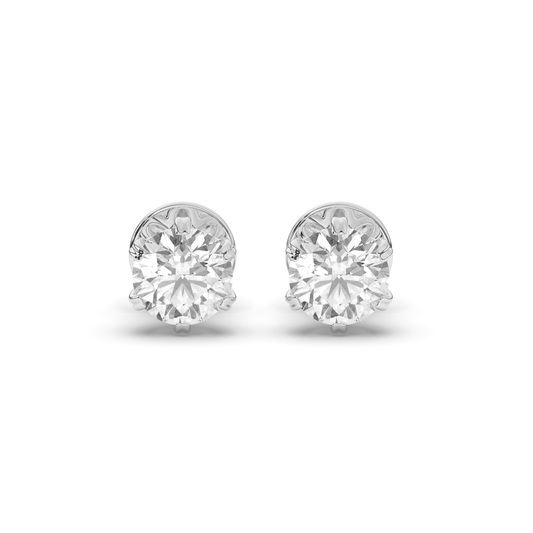
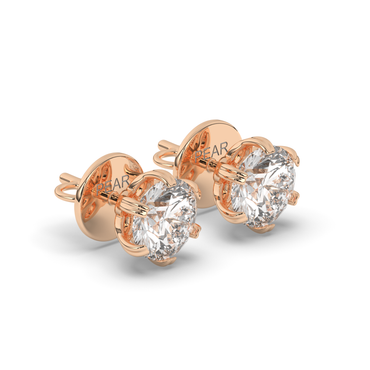
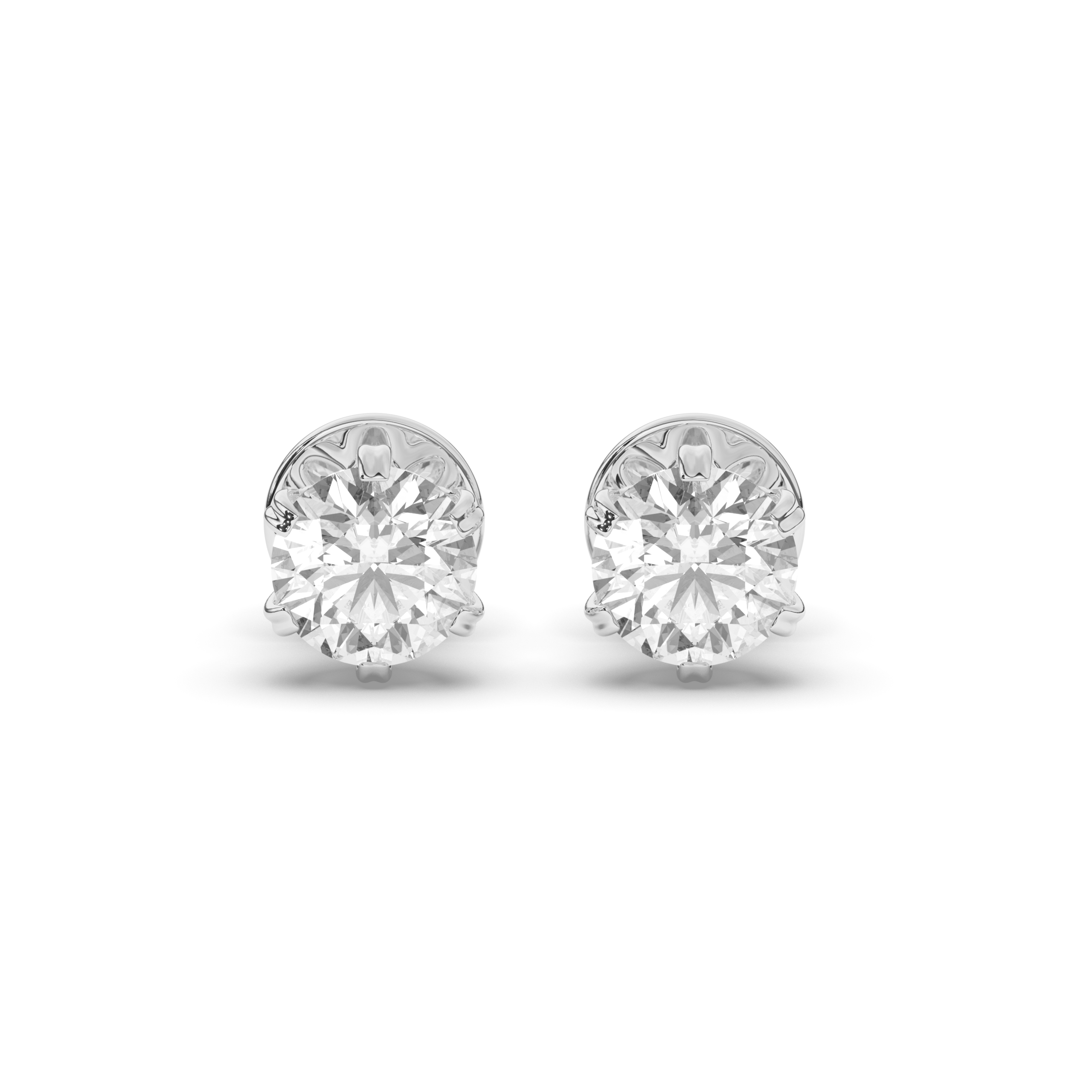
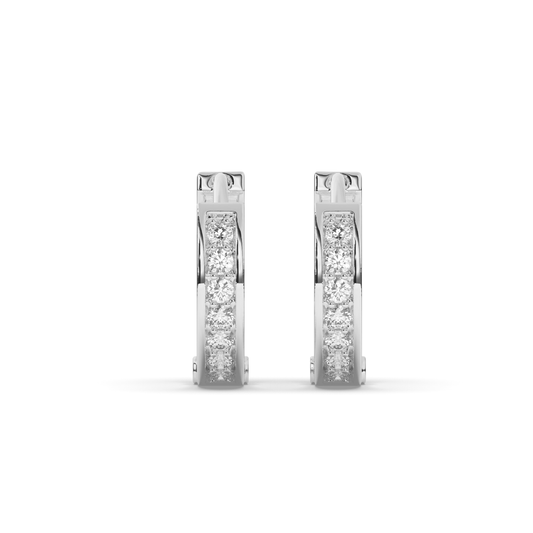
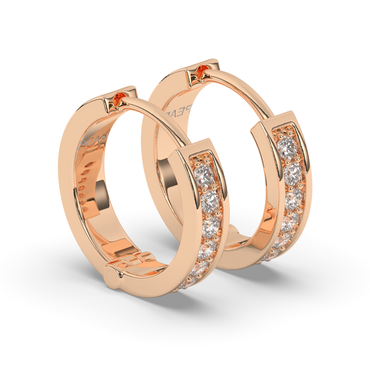
Our collection includes Lab-Grown diamond engagement rings, wedding rings, earrings, pendants and tennis bracelets across a variety of diamond shapes and precious metals.
Premium Colour
High-quality colour options across selected Pear Jewels diamond jewellery.
High Clarity
Quality clarity options selected for fine Lab-Grown diamond jewellery.
Independent Certification
IGI certification is prominently included across applicable Pear Jewels diamond jewellery.
IGI Certification FAQs
What does IGI stand for?
IGI stands for International Gemological Institute.
What is an IGI certified diamond?
The term generally refers to a diamond that has been assessed and documented in a grading report issued by the International Gemological Institute.
Does IGI grade Lab-Grown diamonds?
Yes. IGI provides grading services for Lab-Grown diamonds.
Does an IGI report show carat weight?
A diamond grading report can document the diamond's carat weight together with other identification and grading characteristics.
Does an IGI report show diamond measurements?
Diamond grading documentation can include physical measurements, which are useful when comparing the face-up dimensions of diamonds.
Does certification tell me whether a diamond is Lab-Grown?
A grading report for a Lab-Grown diamond can identify its laboratory-grown origin.
Is an IGI report the same as a jewellery valuation?
No. A diamond grading report documents diamond characteristics, while a valuation serves a different value-related purpose.
Is an IGI report a warranty?
No. Jewellery warranties are provided under separate terms by the jeweller or relevant provider.
Does certification guarantee that a diamond will look beautiful?
A grading report provides important technical information, but visual preferences are personal. Shape, proportions, facet pattern and overall appearance should also be considered.
Should I choose the highest clarity grade?
Not necessarily. Consider whether the diamond appears clean to the eye and whether paying for a higher clarity grade provides a meaningful visual benefit for your purchase.
Is D colour always necessary?
No. D is the highest colour grade on the traditional D-to-Z scale, but E and F are also within the colourless range. Personal preference and budget should guide the decision.
Why should I check measurements as well as carat?
Carat measures weight, while measurements help show the physical dimensions of the diamond. Two diamonds with the same carat weight can therefore appear different in size.
Are Oval diamonds graded differently?
The fundamental grading characteristics remain relevant, but buyers should also pay particular attention to measurements, length-to-width ratio, symmetry and overall appearance.
Can I ask for the actual diamond specifications before ordering?
For individually selected centre diamonds, ask the jeweller what grading and specification information can be provided for the stone being offered.
Does Pear Jewels sell IGI certified Lab-Grown diamonds?
Pear Jewels Australia offers Lab-Grown diamond jewellery with IGI certification across applicable pieces and centre stones.
Can I order a custom IGI certified engagement ring?
Pear Jewels can assist with selected custom engagement-ring requirements, including preferred diamond shape, carat weight, precious metal, ring size and design details.