Bezel vs Prong Engagement Ring: Which Setting Is Better?
Bezel and prong settings create very different engagement rings. One surrounds the diamond with a refined metal rim for added protection; the other uses individual claws to expose more of the stone and preserve a light, classic appearance.
Choose a bezel setting if protection, a smooth profile and modern styling are your main priorities. Choose a prong setting if you prefer a lighter appearance, more visible diamond and classic solitaire character. A bezel generally protects more of the diamond’s perimeter, while prongs leave more of the crown and edge exposed.
Bezel vs Prong Setting: Quick Comparison
Protective, smooth and contemporary
A thin rim of precious metal surrounds all or part of the diamond’s perimeter.
Classic, open and diamond focused
Individual metal claws hold the diamond while leaving much of its outline visible.
| Feature | Bezel | Prong |
|---|---|---|
| Diamond holding method | Metal rim surrounds all or part of the edge | Individual claws grip selected points |
| Protection | Greater edge and corner coverage | More exposed perimeter between prongs |
| Appearance | Modern, architectural and defined | Classic, delicate and open |
| Snagging | Usually lower because of the smooth rim | Can catch if prongs are high, worn or lifted |
| Maintenance | Rim should be checked for wear and damage | Prongs require regular inspection for loosening |
| Best for | Active lifestyles and protective modern styling | Maximum diamond visibility and timeless elegance |
What Is a Bezel Engagement Ring Setting?
A bezel setting secures the diamond with a fine metal rim that wraps around its edge.
A full bezel surrounds the complete perimeter, while a partial bezel leaves selected sides open. The design can be very fine and delicate or intentionally bold and architectural.
Because the edge is enclosed, bezel settings are often chosen for modern styling, smooth wear and added protection around vulnerable corners and pointed tips.
Protected edge
The rim covers more of the diamond’s perimeter than individual prongs.
Smooth profile
A well-finished bezel has fewer projecting elements to catch on clothing.
Modern framing
The metal outline emphasises the diamond’s shape and creates a defined silhouette.
What Is a Prong Engagement Ring Setting?
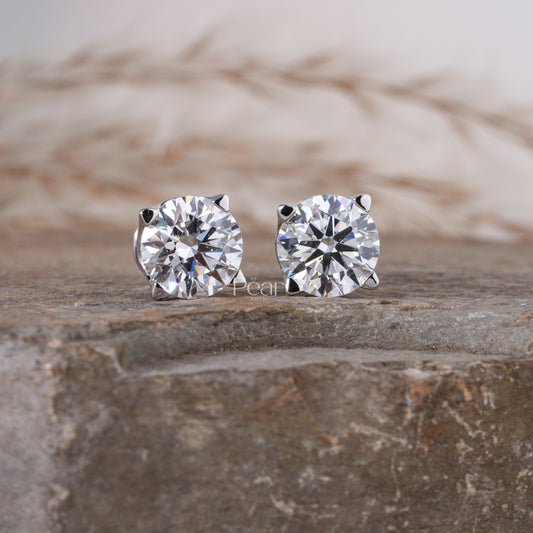
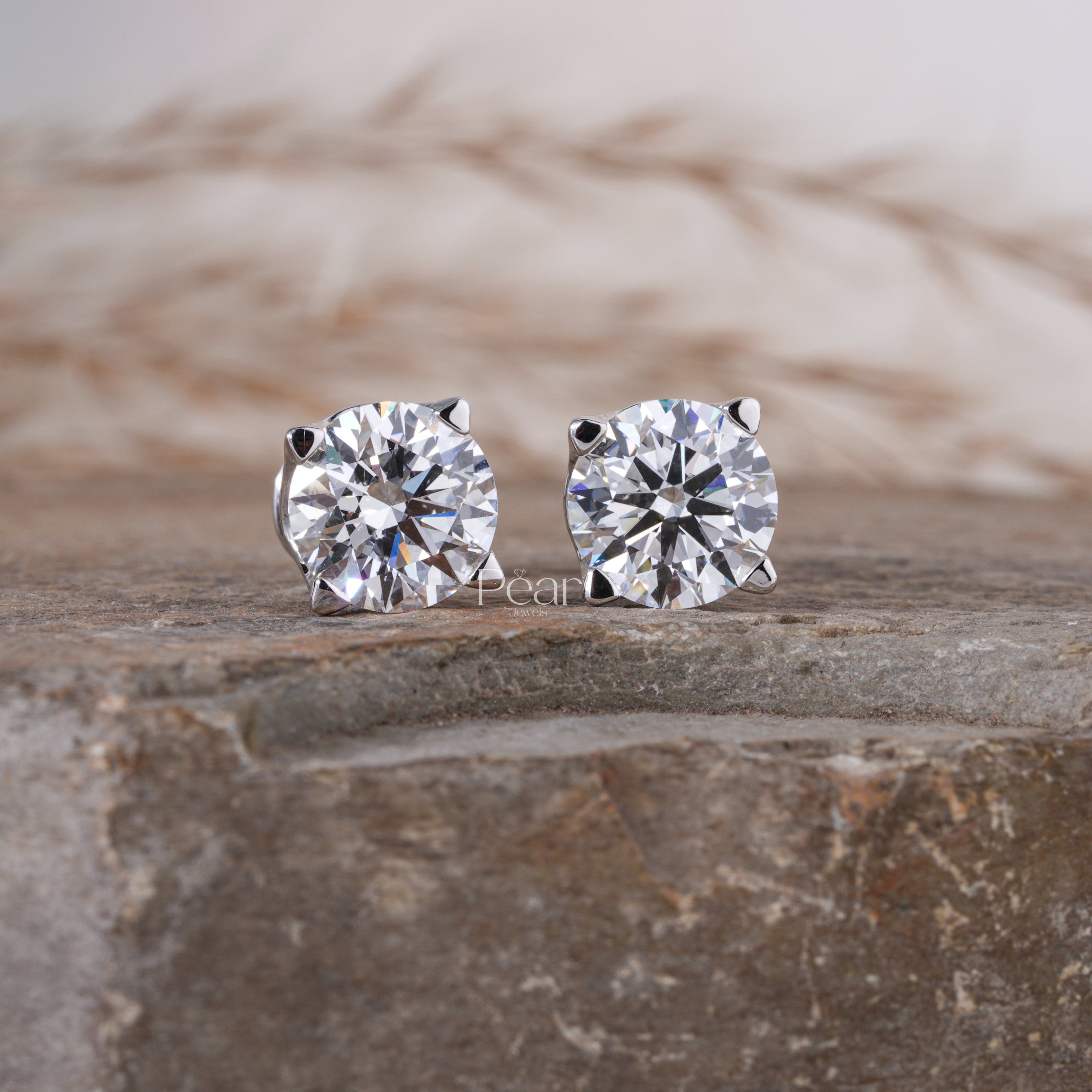
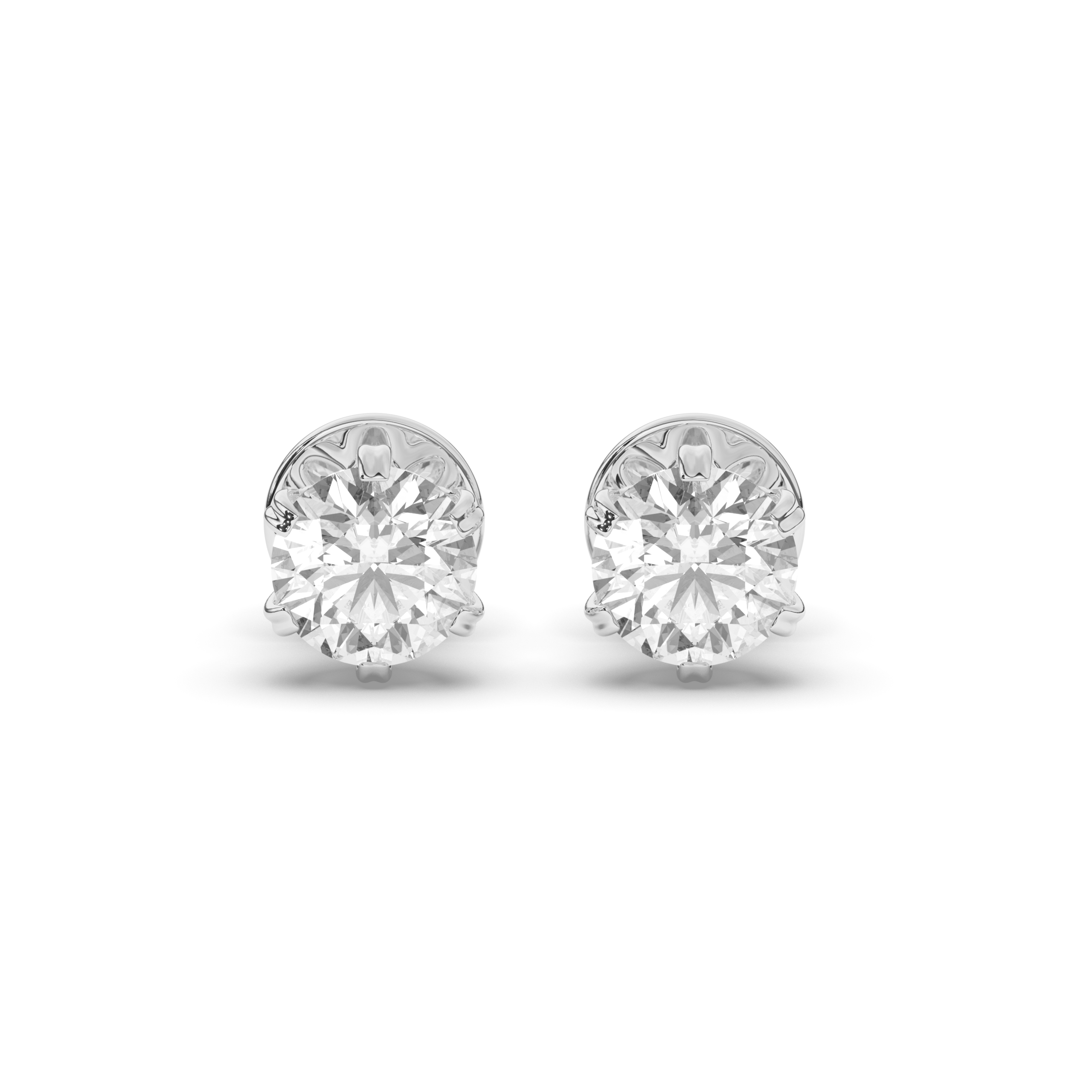
A prong setting uses small metal claws to grip the diamond at selected points.
Four-prong and six-prong designs are the most familiar, although pointed shapes may use V-prongs and elongated stones may require carefully positioned supports.
Prongs keep the metal presence minimal and allow more of the diamond’s outline to remain visible. Their security depends on correct placement, sufficient metal and regular inspection.
Open appearance
More of the diamond remains visible from the top and side.
Classic versatility
Prongs work with solitaires, halos, hidden halos, side stones and three-stone rings.
Easy shape recognition
The outline is less interrupted by surrounding metal.
Eight Important Differences
Rim vs claws
Bezels cover the perimeter; prongs secure only selected points.
Bezel shields more
The surrounding rim helps protect edges, corners and pointed tips.
Defined vs delicate
A bezel outlines the diamond; prongs create a lighter visual frame.
Smooth vs projecting
Bezels usually catch less, while raised or worn prongs may snag.
Framing changes perception
A fine bezel may enlarge the outline; minimal prongs expose more diamond surface.
Rim vs prong checks
Both need inspection, but prong wear is often easier to notice.
Open access varies
Prongs may allow easier underside access; enclosed bezels can trap residue.
Modern vs classic
Bezels feel contemporary; prongs remain the traditional engagement-ring choice.
Which Setting Is More Secure?
A full bezel generally offers greater perimeter protection because the diamond’s edge is continuously enclosed. This can reduce exposure to direct knocks and protect vulnerable corners or pointed ends.
A well-made prong setting can still be highly secure. Four or six prongs hold the diamond at concentrated points, and six-prong designs provide additional redundancy if one prong is damaged.
| Security factor | Bezel | Prong |
|---|---|---|
| Edge coverage | Continuous or partial metal rim | Open between individual prongs |
| Pointed shapes | Can protect tips with shaped metal coverage | Usually needs V-prongs or protective tip prongs |
| Impact exposure | Lower around the enclosed perimeter | Higher between prongs |
| Failure pattern | Damage to the rim may compromise the setting | A damaged prong requires prompt repair |
| Inspection priority | Check rim tightness, dents and wear | Check for lifted, thin, bent or broken prongs |
Does a Prong Setting Sparkle More?
Prong settings expose more of the diamond, which creates a lighter and more open appearance. However, most brilliance returns through the diamond’s top when the cut is well proportioned.
A fine bezel does not automatically make a diamond dull. The quality of the diamond’s cut remains the main driver of brilliance, although a heavy or enclosed bezel can visually increase metal presence around the stone.
Defined and focused
The metal rim frames the diamond and can create strong contrast, especially in yellow or rose gold.
Open and airy
Minimal metal allows the diamond’s outline and side profile to remain highly visible.
Which Setting Makes the Diamond Look Bigger?
A very fine bezel can visually extend the outline of the diamond, especially when the metal colour blends with the stone. A heavier contrasting bezel may instead make the metal frame more noticeable.
Prongs expose more of the actual diamond, which can make the centre feel open and prominent. Claw-prong styles are particularly useful when the goal is to minimise visible metal.
Extended outline
A narrow rim can subtly increase the perceived footprint.
Maximum exposure
Fine claws preserve the natural outline with little interruption.
Largest transformation
A halo changes visual size more dramatically than bezel-versus-prong choice alone.
Which Setting Snags Less?
Bezel settings usually snag less because the metal rim is smooth and has no separate claws projecting over the diamond. This makes them attractive for active work, frequent glove use and daily routines involving fabric.
Prong settings can be comfortable when claws are compact, rounded and properly finished. Snagging may increase when prongs are tall, worn, rough or beginning to lift.
Bezel advantage
A low, smooth setting reduces exposed edges and projecting metal.
Either can work
Choose according to style, height and daily handling.
Lower is easier
A low bezel is often more convenient than a raised prong basket.
Best Diamond Shapes for Bezel and Prong Settings
| Diamond shape | Bezel setting | Prong setting |
|---|---|---|
| Round | Clean, balanced and highly secure | Classic in four or six prongs |
| Oval | Defines the elongated outline and protects the edge | Four or six prongs preserve a light appearance |
| Emerald | Architectural and modern | Corner prongs maintain the open step-cut look |
| Radiant | Frames the clipped corners clearly | Four corner prongs maximise exposure |
| Marquise | Excellent tip protection in a shaped bezel | Requires secure V-prongs or protective point prongs |
| Pear | Protects the pointed tip and rounded edge | Usually requires a secure V-prong at the point |
| Princess | Protects all four corners effectively | Corner prongs must be carefully placed |
| Heart | Defines the romantic outline | Needs secure positioning around the cleft and point |
Compare more silhouettes in the Diamond Shapes Guide.
Which Setting Fits Better With a Wedding Band?
Wedding-band fit depends mainly on basket width and height. A low bezel may extend outward near the finger and create a small gap beside a straight band. A raised bezel can provide more clearance.
A prong basket may allow a straight wedding band to sit flush when the centre is sufficiently elevated. Low prong baskets can also require a curved or contoured band.
Check side clearance
The wedding band must pass beside or under the centre setting.
Follow the centre
A shaped band can curve around a low bezel or broad basket.
Style it deliberately
A small gap can look refined when proportions are balanced.
Which Setting Is Easier to Clean?
Prong settings often provide easier access to the underside of the diamond, especially when the basket is open. Lotion and soap can still collect around prongs and beneath the centre.
Bezel settings may trap residue around or beneath the rim, particularly if the basket is enclosed. Regular gentle cleaning helps preserve brilliance, and professional inspection can confirm that the rim remains secure.
Inspect frequently
Look for lifted, bent, worn or catching claws.
Check for damage
Watch for dents, separation or visible movement around the edge.
Clean gently
Use mild soap, warm water and a soft brush, then rinse and dry carefully.
For ongoing care advice, visit the Jewellery Care Guide.
Bezel and Prong Setting Pros & Cons
Pros and considerations
Strong perimeter protection
Low snagging potential
Modern defined appearance
Excellent for pointed shapes
More visible metal
May trap residue beneath the rim
Can be harder to resize or alter
Heavy bezels may reduce visual delicacy
Pros and considerations
Maximum diamond exposure
Classic engagement-ring style
Light and delicate appearance
Easy to combine with halos and side stones
More exposed diamond edge
Prongs can catch or wear
Needs periodic inspection
Pointed shapes need special protection
Which Engagement Ring Setting Should You Choose?
Bezel vs Prong Engagement Ring FAQs
What is a bezel setting?
A bezel uses a metal rim to surround all or part of the diamond’s perimeter.
What is a prong setting?
A prong setting uses individual metal claws to grip the diamond at selected points.
Which setting is safer?
A full bezel generally offers greater edge protection, although a well-made prong setting can also be highly secure.
Does a bezel reduce sparkle?
Not necessarily. Diamond cut quality drives brilliance. A fine bezel can still allow excellent face-up sparkle.
Do prongs let in more light?
Prongs expose more of the diamond and create a more open appearance, but most usable light enters and returns through the top.
Which setting makes a diamond look bigger?
A fine bezel may visually extend the outline, while minimal prongs expose more of the actual diamond.
Which setting snags less?
A smooth low-profile bezel usually snags less than a raised prong setting.
Which is better for an active lifestyle?
A low full bezel is usually the more practical choice because it protects the edge and reduces projecting elements.
Can a bezel setting become loose?
Yes. The rim can wear, dent or separate, so periodic inspection is still important.
Can prongs become loose?
Yes. Prongs can thin, bend, lift or break and should be checked regularly.
Are six prongs safer than four?
Six prongs provide additional holding points, but security also depends on construction quality and maintenance.
Is a bezel more expensive?
It may require more metal and labour, but total price depends on the complete design, diamond and precious metal.
Is a bezel harder to resize?
Some bezel rings are more complex to resize or modify, especially when the band or gallery is integrated.
Which setting is easier to clean?
An open prong basket may provide easier access beneath the diamond. Bezels may trap residue around the rim.
Which setting is more modern?
Bezel settings are commonly associated with modern and architectural design.
Which setting is more timeless?
Prong solitaires are a traditional engagement-ring choice, although refined bezels also have enduring appeal.
Is a bezel good for an Oval diamond?
Yes. It clearly defines the elongated outline and protects the perimeter.
Is a bezel good for a Pear or Marquise diamond?
Yes. A shaped bezel can provide valuable protection around the pointed tips.
Are prongs suitable for pointed diamonds?
Yes, but pointed tips should use secure V-prongs or carefully designed protective prongs.
Can a bezel setting have a hidden halo?
Yes. A hidden halo can sit below a bezel-set centre when the gallery is designed to accommodate it.
Can a prong setting be low profile?
Yes. A compact basket can hold the diamond close to the finger, although wedding-band clearance may be reduced.
Can a bezel wedding ring sit flush with a band?
It depends on the bezel’s height and width. Low wide bezels may require a contoured wedding band.
Can I customise the setting?
Yes. Pear Jewels can personalise bezel thickness, prong style, basket height, precious metal and wedding-band clearance.
Where can I learn more about bezel settings?
Visit the Pear Jewels Bezel Setting Guide.