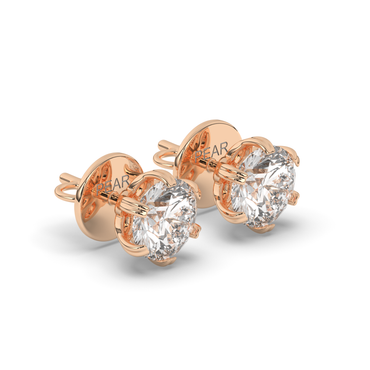
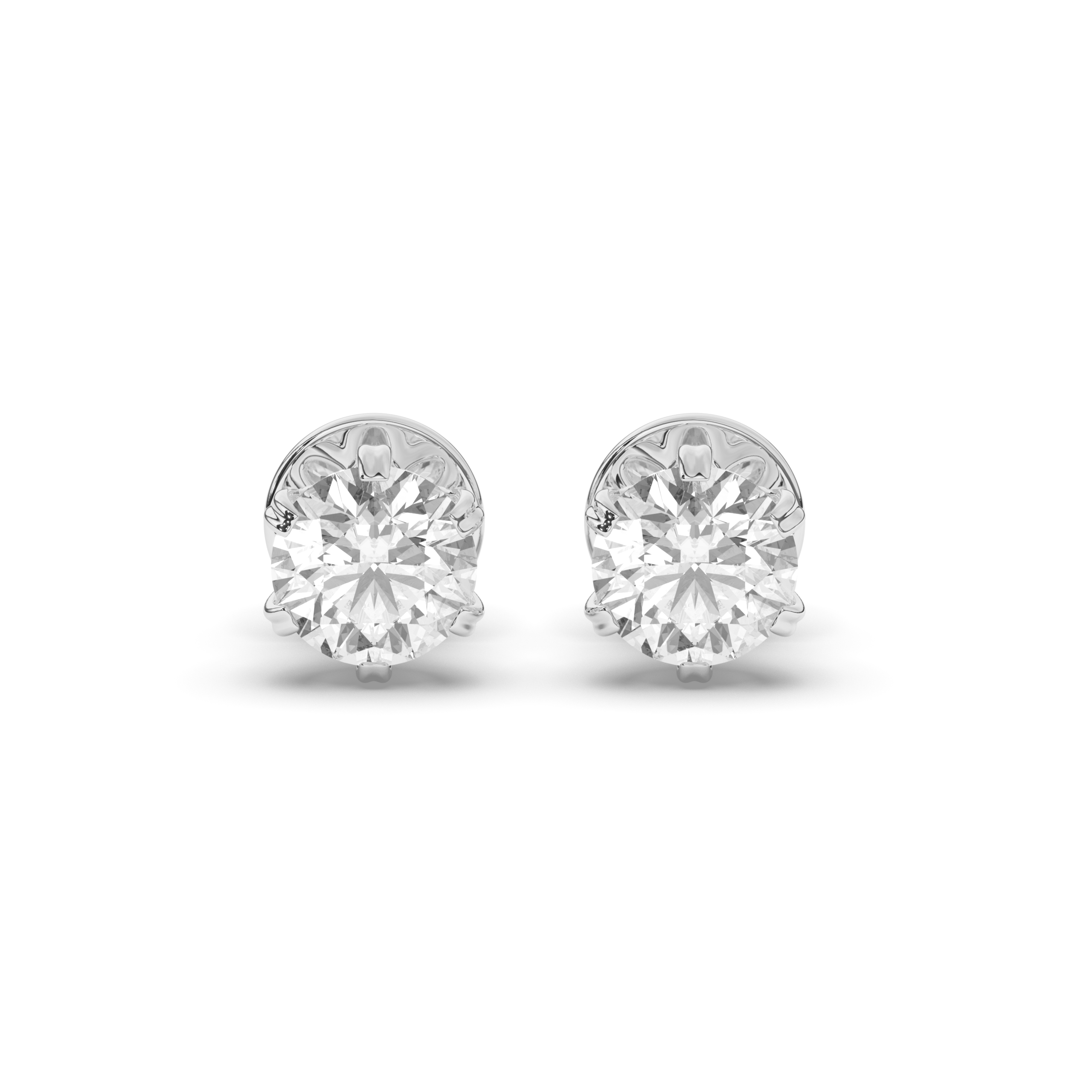
How to Choose the Perfect Lab-Grown Diamond Engagement Ring
A complete Australian buying guide to budget, the 4Cs, diamond shape, ring setting, precious metal, sizing and certification.
Choose your engagement ring in this order: set a comfortable budget, decide the overall style, select a diamond shape, prioritise cut and visible beauty, choose a secure setting, select the right metal and ring size, then confirm the grading report and service details. The best ring is not simply the largest diamond—it is the design that suits the wearer’s hand, lifestyle and personal taste.
A Clear Path for First-Time Ring Buyers
Engagement-ring shopping can feel complicated because diamond quality, design, budget and emotion all matter at the same time.
This guide is designed for Australian buyers who want a beautiful Lab-Grown diamond ring without becoming overwhelmed by technical language. It will help you compare options logically while keeping the wearer’s style at the centre of the decision.
Buying as a surprise
Use existing jewellery, trusted friends and subtle questions to identify shape, metal and style preferences.
Choosing together
Compare shapes and settings as a couple, then define the final design around budget and lifestyle.
Creating a custom ring
Start with a reference image, preferred shape or general idea and refine the details with expert guidance.
Why Choose a Lab-Grown Diamond Engagement Ring?
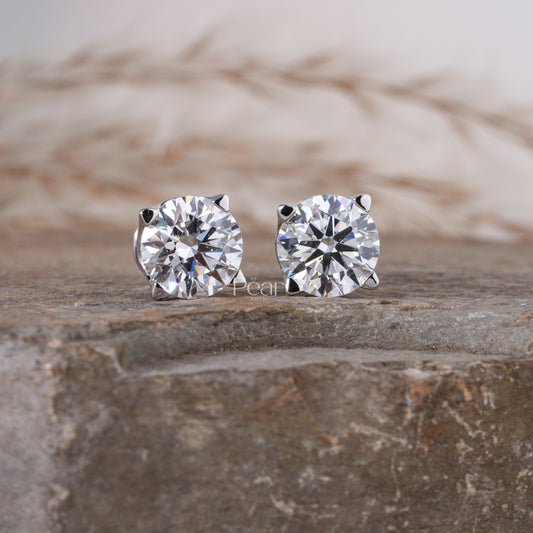
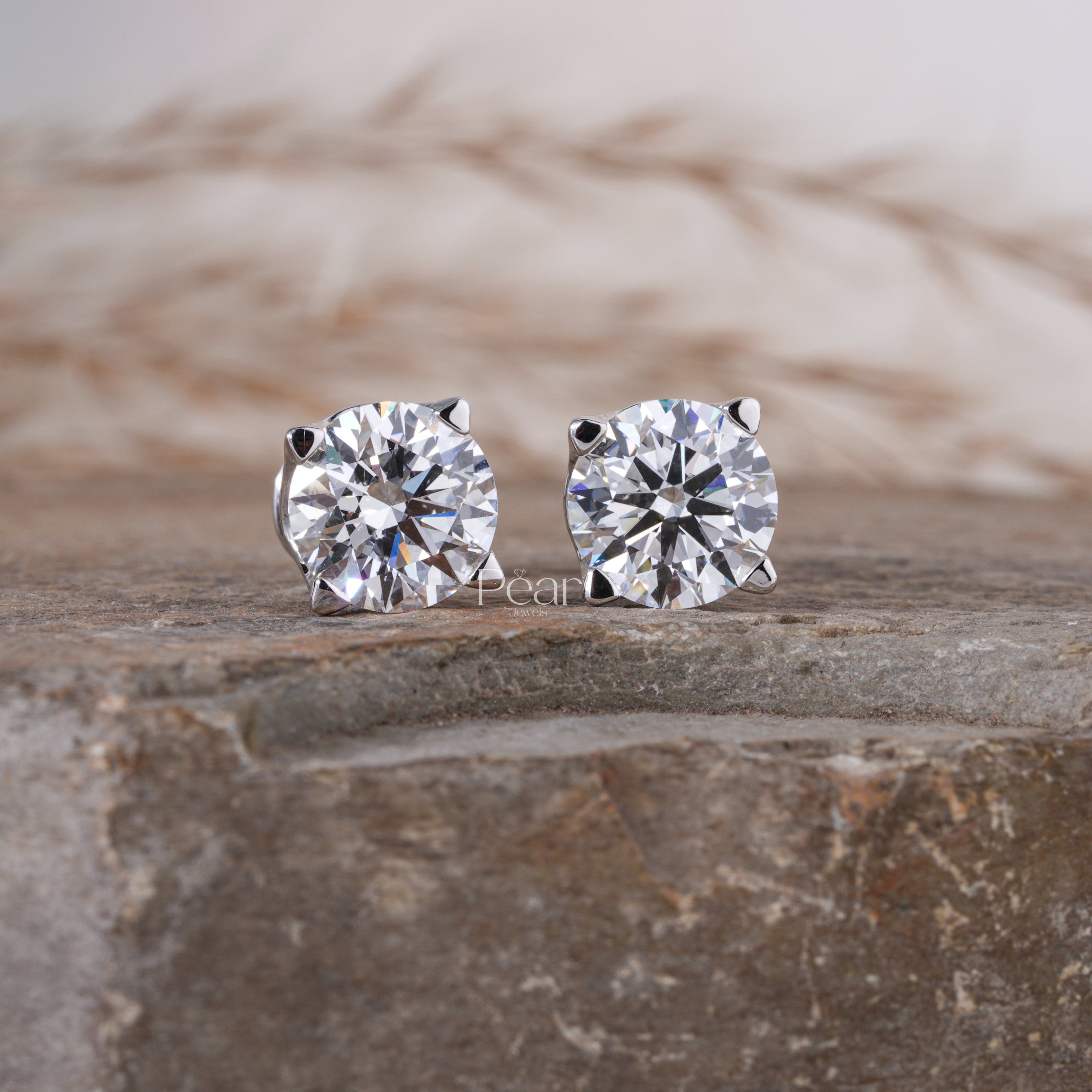
Lab-Grown diamonds are real diamonds with the same carbon crystal structure, hardness and optical properties as mined diamonds.
They are created in controlled environments using advanced technology and are graded using the same 4Cs: cut, colour, clarity and carat. Their key difference is origin.
Many Australian buyers choose Lab-Grown diamonds because they can access greater carat weight, higher colour or clarity grades, or a more detailed setting within the same overall budget. They also appeal to customers seeking a modern, traceable and conflict-free diamond option.
Read the full Lab-Grown Diamonds Guide before comparing individual rings.
Set a Comfortable Engagement-Ring Budget
There is no universal amount you must spend. Choose a budget that feels responsible for your finances and meaningful for your relationship.
A practical budget should include the complete ring—not only the centre diamond. Consider the centre stone, side diamonds, setting complexity, metal, customisation, engraving and any future resizing or servicing.
Refined and focused
Consider smaller solitaires, simple pavé bands, sterling silver or selected gold options, depending on the design.
Strong balance
A popular range for elegant Lab-Grown diamond solitaires, hidden halos and selected side-stone designs.
Greater flexibility
Allows more freedom across centre size, premium metal, higher specifications and detailed settings.
Statement or bespoke
Suitable for larger centre diamonds, intricate custom work, substantial bands and more complex side-stone designs.
Budget for the complete experience
Leave room for resizing, wedding-band compatibility, insurance and any personalisation. A balanced ring usually delivers more satisfaction than placing nearly the entire budget into carat weight.
Understand the 4Cs Before You Compare Diamonds
The 4Cs describe diamond quality, but no single grade tells the complete story.
| Factor | What it means | What to prioritise | Common mistake |
|---|---|---|---|
| Cut | How effectively the diamond’s proportions and facets return light. | Prioritise brilliance, symmetry and balanced proportions. | Choosing a larger diamond with weak light performance. |
| Colour | How colourless a white diamond appears. | Choose a grade that looks bright in the selected metal. | Paying for a grade difference that is not visible to you. |
| Clarity | Internal inclusions and external surface characteristics. | Look for a visually clean diamond rather than the highest possible grade. | Overpaying for microscopic perfection. |
| Carat | The diamond’s weight, not its visible dimensions. | Compare measurements and face-up spread as well as carat. | Assuming two diamonds with equal weight look the same size. |
Explore the complete 4Cs of Diamonds Guide.
Choose the Diamond Shape That Fits Their Style
Diamond shape has one of the strongest influences on the personality of the ring, finger coverage and overall visual effect.
Round
Classic, bright and highly versatile. Round diamonds work with almost every setting and suit buyers who prefer a traditional engagement-ring look.
Very high
Classic
Versatility
Oval
Elongated, graceful and visually generous. Oval diamonds can make the finger appear longer and provide strong face-up presence.
High
Romantic
Finger coverage
Pear
A distinctive teardrop shape combining brilliance with elegant length. Pear diamonds suit romantic and individualistic styles.
High
Romantic
Distinctiveness
Emerald
Known for long, mirror-like facets and a sophisticated appearance. Emerald cuts reward clean proportions and attractive clarity.
Elegant flashes
Modern
Understated luxury
Marquise
Bold, elongated and dramatic. Marquise diamonds create impressive finger coverage and a distinctive vintage-inspired profile.
High
Bold
Length
Cushion
Rounded corners and a soft square or rectangular outline create a warm, romantic character suited to halo and vintage settings.
High
Romantic
Soft curves
Radiant
A brilliant-cut rectangular shape with strong sparkle and clipped corners. Radiant diamonds combine modern geometry with visual impact.
Very high
Contemporary
Statement designs
Princess
A square brilliant shape with crisp corners and a contemporary feel. Princess cuts suit clean solitaire and channel-set designs.
High
Modern
Square profiles
Asscher
A square step cut with clipped corners and a hall-of-mirrors appearance. Asscher diamonds feel architectural and vintage-inspired.
Elegant flashes
Art Deco
Distinctive elegance
Heart
A romantic choice with unmistakable symbolism. Symmetry and outline are especially important for a balanced heart-shaped diamond.
High
Romantic
Symbolism
Compare shapes in greater depth with the Diamond Shapes Guide.
Choose the Right Engagement-Ring Setting
The setting controls how the diamond is presented, protected and integrated into the overall design.
Solitaire
Keeps the centre diamond as the focus. Ideal for buyers who prefer clean lines, easy styling and a classic silhouette.
Hidden Halo
Adds diamonds beneath the centre stone for side-view brilliance while preserving a refined top view.
Halo
Surrounds the centre with smaller diamonds, increasing sparkle and visual scale.
Three Stone
Traditionally represents the past, present and future. Side stones add width and symbolism.
Cathedral
Uses rising shoulders to frame and support the centre setting, creating a graceful architectural profile.
Bezel
Surrounds the diamond with metal for a smooth, secure and modern appearance suited to active lifestyles.
Vintage
May include milgrain, engraving, halos or intricate side details inspired by earlier design periods.
Pavé or Side Stone
Extends sparkle across the band and can visually connect the centre diamond with the ring shoulders.
Select the Right Precious Metal
| Metal | Appearance | Best for | Considerations |
|---|---|---|---|
| White gold | Bright, modern and cool-toned | Classic diamond contrast and versatile styling | May require periodic rhodium replating depending on wear |
| Yellow gold | Warm and traditional | Classic luxury and vintage-inspired designs | Can make near-colourless centre diamonds appear especially bright by contrast |
| Rose gold | Soft, warm and romantic | Romantic or contemporary rings | Alloy composition can matter for sensitive skin |
| Platinum | Naturally white and substantial | Durability, premium weight and white-metal preference | Higher initial cost and heavier feel |
| 925 sterling silver | Bright white and accessible | Budget-conscious or selected fashion-forward designs | Softer than gold or platinum and may require more maintenance |
Read the complete Find the Right Metal Guide.
Find the Correct Ring Size
A secure, comfortable fit matters as much as appearance.
Best for surprise proposals
Choose a ring worn on the intended finger and compare its internal diameter with a sizing chart.
Best when shopping together
Measure at a comfortable room temperature and avoid measuring immediately after exercise or in extreme heat or cold.
Use the Pear Jewels Ring Size Guide.
Check Diamond Certification and Product Details
A grading report provides independent information about a diamond’s measurable characteristics and origin.
For many Lab-Grown centre diamonds, IGI certification can confirm carat weight, colour, clarity, measurements, polish, symmetry and growth origin. Where applicable, the report number may correspond with a microscopic laser inscription on the diamond.
Confirm that the product documentation corresponds with the selected diamond.
Measurements reveal more about visible spread than carat weight alone.
These finish grades support the overall visual quality.
The report should clearly identify the diamond as laboratory grown.
Read the IGI Certification Guide for a full explanation.
Match the Ring to Personality and Lifestyle
| Style profile | Recommended shapes | Recommended settings | Metal ideas |
|---|---|---|---|
| Classic | Round, oval | Solitaire, pavé | White or yellow gold |
| Modern minimalist | Emerald, princess, Asscher | Solitaire, bezel | White gold or platinum |
| Romantic | Pear, oval, cushion, heart | Hidden halo, halo, vintage | Rose or yellow gold |
| Bold and fashion-led | Radiant, marquise, emerald | Side stone, halo, three stone | Yellow gold or platinum |
| Active lifestyle | Round, oval, cushion | Bezel, low-profile solitaire | Platinum or gold |
Common Engagement-Ring Buying Mistakes
Size without strong proportions or visual beauty can be disappointing.
A highly raised or delicate setting may not suit frequent hands-on activity.
Very high clarity or colour grades may not create a visible improvement.
Use the jewellery they already wear as your strongest clue.
Some engagement-ring profiles need a curved or custom-matched band.
Understand what is included and whether certification applies to the centre stone.
Made-to-order and customised designs require production time.
Buy diamond jewellery for beauty and meaning, not as a guaranteed investment.
Lab-Grown Diamond Engagement-Ring Checklist
Find Your Engagement-Ring Style
Create a Ring Around Your Story
A custom ring allows you to combine a preferred diamond shape, setting, metal, carat weight and personal details into one considered design.
You do not need a finished concept. A photograph, sketch, Pinterest image or preferred diamond shape can be enough to begin.
Design with expert guidance
Explore the Pear Jewels Design Your Own Engagement Ring experience or contact the team for personalised assistance.
Lab-Grown Engagement-Ring FAQs
Are Lab-Grown diamonds real diamonds?
Yes. They have the same carbon crystal structure, hardness and optical properties as mined diamonds. Their main difference is origin.
What should I prioritise when choosing a diamond?
Prioritise cut and visible beauty first, then balance colour, clarity and carat around your budget.
Which diamond shape looks largest?
Elongated shapes such as oval, marquise, pear and some radiant cuts can provide generous face-up coverage for their carat weight.
Which engagement-ring shape is most timeless?
Round is the most traditional, while oval, emerald and pear shapes also have enduring appeal.
What clarity grade should I choose?
Choose a diamond that appears clean to the unaided eye. VS and VVS grades are commonly selected, but the best value depends on the individual stone.
What colour grade is best?
D–F offers a bright premium white appearance, while lower near-colourless grades may still look beautiful depending on the shape and metal.
Is a hidden halo practical?
Yes, when well made. It adds side-view sparkle, although the small accent diamonds may require occasional inspection and care.
Which setting is best for an active lifestyle?
Bezel and low-profile settings can offer additional protection and reduce snagging.
Should I choose white gold or platinum?
White gold offers a bright appearance at a lower initial cost. Platinum is naturally white, heavier and highly durable, but usually more expensive.
Can I choose yellow or rose gold with a white diamond?
Yes. Warm metal colours can create beautiful contrast while white prongs may be used around the centre diamond if preferred.
How can I find the ring size secretly?
Measure an existing ring worn on the intended finger or ask someone close to the wearer. Use the Pear Jewels Ring Size Guide for comparison.
Do I need IGI certification?
Certification is valuable for independently confirming measurable characteristics and diamond origin. Review the individual product details to confirm what is included.
Can Lab-Grown diamonds be tested as diamonds?
Yes. They are real diamonds and generally respond as diamonds to standard testing, although specialist equipment may be required to identify origin.
How much should I spend on an engagement ring?
Spend an amount that is comfortable for your financial situation. There is no universal salary rule.
Is a larger diamond always better?
No. A smaller, well-cut diamond in a high-quality setting can look more beautiful than a larger stone with weak proportions.
Can an engagement ring be customised?
Yes. Diamond shape, carat weight, setting, band, metal, side stones and engraving can often be personalised.
Will the engagement ring sit flush with a wedding band?
That depends on the setting profile. Some rings sit flush with straight bands, while others need a curved or custom-matched band.
How should I care for the ring?
Clean with warm water, mild soap and a soft brush, avoid harsh chemicals and have the setting checked periodically. Read the Jewellery Care Guide.
Are Lab-Grown diamonds a good investment?
They should be purchased for beauty, symbolism and wear rather than as a financial investment or guaranteed store of value.
Where can I learn more before buying?
Visit the Pear Jewels Diamond Education Hub for guides on shapes, metals, the 4Cs, certification, sizing and care.